


Discover 12 powerful Ayurvedic superfoods that balance your doshas, boost immunity, and enhance wellness. Learn how to incorporate ancient nutrition wisdom into your modern American diet.
Introduction
Did you know that nearly 60% of Americans now actively seek natural solutions to support their health and wellness? Yet many still struggle with persistent fatigue, digestive issues, and inflammation despite eating “healthy” foods.
The problem isn’t always what you’re eating—it’s often about eating foods that work with your body’s unique constitution.
Enter Ayurvedic superfoods: time-tested nutritional powerhouses that have sustained health and vitality for over 5,000 years. Unlike trendy superfoods that come and go, these ancient ingredients are backed by both traditional wisdom and modern scientific research.
In this comprehensive guide, you’ll discover 12 essential Ayurvedic superfoods that can transform your health, learn how to choose foods based on your dosha (body type), and get practical tips for incorporating these nutrient-dense ingredients into your everyday American lifestyle.
Whether you’re dealing with low energy, poor digestion, stress, or simply want to optimize your wellness routine, these Ayurvedic superfoods offer natural, holistic solutions that work.
What Makes a Food “Ayurvedic”?
Before diving into specific superfoods, it’s important to understand what sets Ayurvedic nutrition apart from conventional Western dietary approaches.
The Three Doshas: Your Nutritional Blueprint
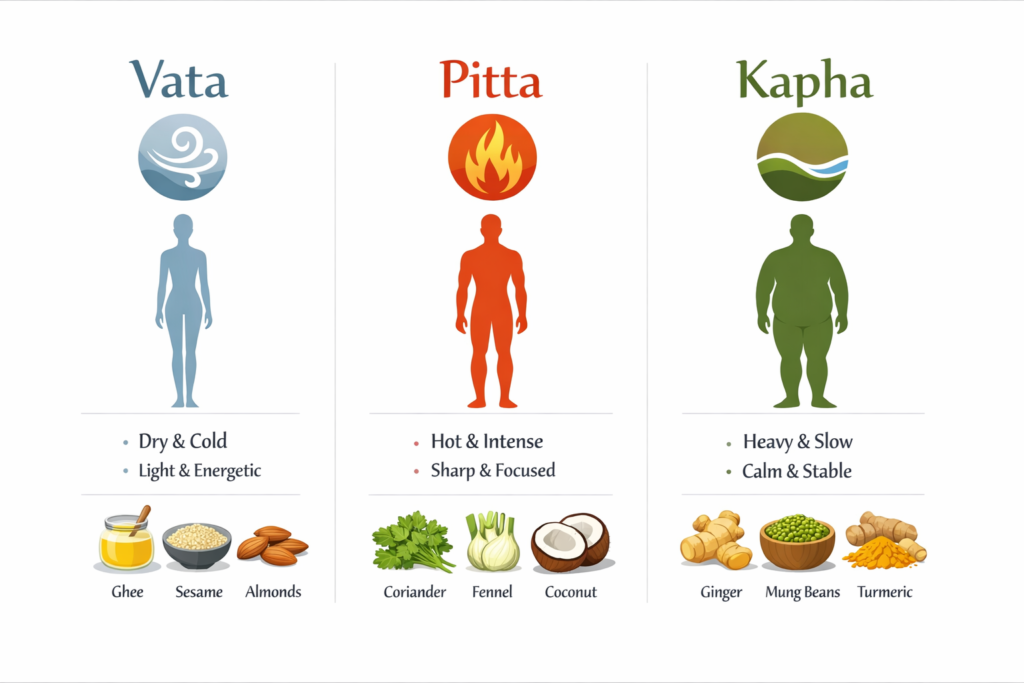
Ayurveda recognizes that we’re all unique. Your ideal diet depends on your dominant dosha—your mind-body constitution:
- Vata (Air + Space): Prone to dryness, anxiety, irregular digestion
- Pitta (Fire + Water): Tendency toward heat, inflammation, intensity
- Kapha (Earth + Water): Склонность to heaviness, congestion, slow metabolism
The most powerful Ayurvedic superfoods are tridoshic—meaning they balance all three doshas and work for everyone.
Six Tastes for Complete Nutrition
Ayurveda emphasizes including all six tastes in your diet:
- Sweet (grounding, nourishing)
- Sour (stimulating, digestive)
- Salty (hydrating, mineral-rich)
- Pungent (heating, metabolism-boosting)
- Bitter (detoxifying, cooling)
- Astringent (toning, drying)
Each Ayurvedic superfood offers unique taste combinations that support different aspects of health.
12 Essential Ayurvedic Superfoods for Your Diet
1. Turmeric (Haridra): The Golden Healer

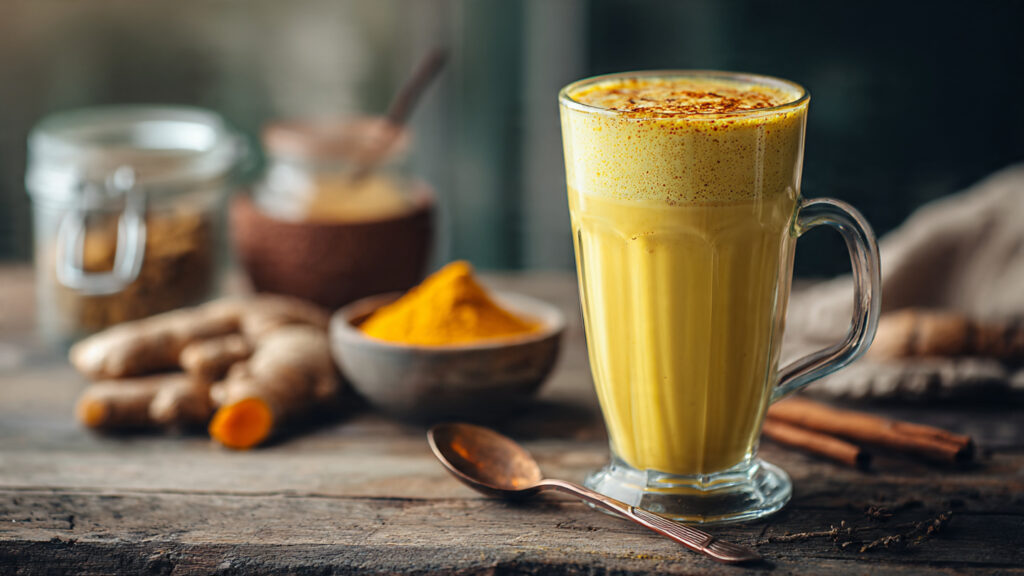
Why It’s Super: Turmeric contains curcumin, a compound with powerful anti-inflammatory and antioxidant properties. The NIH recognizes its potential benefits for joint health, cognitive function, and overall wellness.
Ayurvedic Benefits:
- Purifies blood and supports liver function
- Balances all three doshas
- Enhances digestion and nutrient absorption
- Supports healthy skin from within
How to Use It:
- Add 1/2 teaspoon to smoothies or golden milk
- Mix with black pepper and healthy fat for better absorption
- Use in curries, soups, and roasted vegetables
- Try turmeric lattes as a coffee alternative
Pro Tip: Americans often use turmeric powder, but fresh turmeric root (available at Whole Foods and farmers markets) offers even more potent benefits.
2. Ghee: Liquid Gold for Digestion
Why It’s Super: Clarified butter (ghee) is lactose-free and rich in fat-soluble vitamins A, D, E, and K. It’s also a source of butyric acid, which supports gut health.
Ayurvedic Benefits:
- Lubricates digestive tract and joints
- Enhances nutrient absorption
- Supports healthy inflammation response
- Nourishes brain and nervous system
How to Use It:
- Replace butter or cooking oil (1-2 teaspoons per meal)
- Add to morning coffee for sustained energy
- Drizzle over steamed vegetables
- Use in baking for rich, nutty flavor
Dosha Consideration: Particularly beneficial for Vata types who need grounding, healthy fats.
3. Ashwagandha: The Stress-Busting Adaptogen

Why It’s Super: This powerful adaptogenic herb helps your body manage stress. Studies published in the Journal of Alternative and Complementary Medicine show ashwagandha may reduce cortisol levels by up to 30%.
Ayurvedic Benefits:
- Balances stress response
- Supports restful sleep
- Enhances energy without stimulation
- Promotes mental clarity and focus
How to Use It:
- Take 300-500mg supplement daily (consult your healthcare provider)
- Mix powder into warm milk before bed
- Add to smoothies or protein shakes
- Look for KSM-66 or Sensoril® standardized extracts
Best For: High-stress lifestyles, poor sleep, fatigue, and anxiety support.
4. Ginger (Adrak): The Universal Medicine

Why It’s Super: Ginger is scientifically proven to support digestive health, reduce nausea, and provide natural anti-inflammatory benefits.
Ayurvedic Benefits:
- Ignites digestive fire (agni)
- Reduces gas and bloating
- Supports circulation and warmth
- Clears respiratory congestion
How to Use It:
- Grate fresh ginger into hot water for tea
- Add to stir-fries and marinades
- Chew small piece before meals to stimulate digestion
- Make ginger shots with lemon and honey
Simple Recipe: Slice fresh ginger, steep in hot water for 5 minutes, add lemon and raw honey for a powerful immune-supporting tonic.
5. Triphala: The Three-Fruit Formula

Why It’s Super: This blend of three fruits (Amalaki, Bibhitaki, Haritaki) is Ayurveda’s most revered digestive and detoxification formula.
Ayurvedic Benefits:
- Gentle daily detoxification
- Supports regular bowel movements
- Balances all three doshas
- Rich in vitamin C and antioxidants
How to Use It:
- Take 500-1000mg before bed or upon waking
- Mix powder in warm water
- Start with lower dose and gradually increase
- Use consistently for best results (3+ months)
U.S. Availability: Found at most health food stores, Whole Foods, or online retailers like Banyan Botanicals.
6. Almonds (Badam): Brain-Boosting Nuts

Why It’s Super: Almonds are packed with healthy fats, vitamin E, magnesium, and protein. Harvard Health recognizes them as heart-healthy foods.
Ayurvedic Benefits:
- Nourishes brain tissue and memory
- Strengthens bones and teeth
- Provides sustained energy
- Supports healthy skin and hair
How to Use It (Ayurvedic Method):
- Soak 5-10 almonds overnight in water
- Peel skin in morning (easier to digest)
- Eat on empty stomach or blend into smoothies
- Grind into almond butter for versatile use
Why Soaking Matters: Soaking removes enzyme inhibitors and makes nutrients more bioavailable.
7. Cumin (Jeera): The Digestive Powerhouse
Why It’s Super: Cumin seeds are rich in iron and contain compounds that stimulate digestive enzymes. Research shows cumin may support healthy blood sugar levels.
Ayurvedic Benefits:
- Enhances digestive fire without aggravating Pitta
- Reduces gas and bloating
- Supports healthy metabolism
- Balances blood sugar response
How to Use It:
- Dry roast seeds and grind fresh for maximum potency
- Add to rice, lentils, and vegetable dishes
- Make cumin tea (boil 1 tsp in water, strain, drink)
- Use in spice blends like curry powder
Quick Tip: Keep a small jar of roasted cumin powder at your desk—add a pinch to your lunch for better digestion.
8. Amla (Indian Gooseberry): The Vitamin C King
Why It’s Super: Amla contains 20 times more vitamin C than oranges and is one of the richest natural sources of antioxidants.
Ayurvedic Benefits:
- Powerful immune system support
- Rejuvenates all tissues
- Supports healthy hair and skin
- Balances all three doshas
How to Use It:
- Take 1 teaspoon amla powder in warm water daily
- Mix into smoothies or juice
- Look for amla in supplement form (500-1000mg)
- Add to homemade chutneys or preserves
Beauty Bonus: Amla is a key ingredient in many Ayurvedic hair oils for promoting thick, lustrous hair.
9. Mung Beans: The Perfect Protein

Why It’s Super: Mung beans are easily digestible, protein-rich, and considered the most sattvic (pure) legume in Ayurveda.
Ayurvedic Benefits:
- Easy to digest (even for Vata types)
- Gentle detoxification support
- Balances blood sugar
- Provides complete protein when paired with rice
How to Use It:
- Make traditional kitchari (mung beans + rice + spices)
- Sprout mung beans for salads
- Cook into soups and stews
- Use split mung dal for faster cooking
Kitchari Recipe: Combine 1 cup mung beans, 1 cup rice, vegetables, ghee, and Ayurvedic spices for a complete, healing meal.
10. Coriander (Dhania): The Cooling Spice
Why It’s Super: Coriander seeds and fresh cilantro offer unique benefits—seeds are warming and digestive, while cilantro is cooling and detoxifying.
Ayurvedic Benefits:
- Cools excess Pitta (inflammation)
- Supports healthy urinary tract
- Aids digestion without creating heat
- Natural heavy metal chelation (cilantro)
How to Use It:
- Make coriander tea for cooling relief
- Use seeds in cooking (toasted for enhanced flavor)
- Add fresh cilantro to salads and smoothies
- Mix coriander powder into lassi or buttermilk
Perfect For: Hot summer months, inflammatory conditions, or anyone with excess Pitta.
11. Fennel Seeds (Saunf): After-Meal Digestive
Why It’s Super: Fennel is a carminative herb that relieves gas, bloating, and supports healthy digestion. It’s also rich in fiber and antioxidants.
Ayurvedic Benefits:
- Freshens breath naturally
- Reduces bloating and cramping
- Supports healthy lactation
- Cools and calms the digestive system
How to Use It:
- Chew 1/2 teaspoon after meals (traditional practice)
- Make fennel tea for digestive upset
- Add to cooking (breads, vegetables, rice)
- Roast lightly for sweeter flavor
Restaurant Secret: Many Indian restaurants offer fennel seeds at the exit for post-meal digestion—adopt this practice at home!
12. Sesame Seeds (Til): Tiny Nutritional Giants
Why It’s Super: Sesame seeds are loaded with calcium, magnesium, iron, and healthy fats. They’re particularly beneficial during winter months.
Ayurvedic Benefits:
- Lubricates joints and tissues
- Strengthens bones and teeth
- Grounding for Vata imbalance
- Supports healthy skin and hair
How to Use It:
- Make tahini (sesame seed paste) for spreads
- Sprinkle toasted seeds on salads and vegetables
- Use sesame oil for cooking (heating) or massage (cold-pressed)
- Add to homemade energy balls and granola
Black vs. White: Black sesame seeds have higher antioxidant content and are more traditionally used in Ayurveda.

How to Choose Superfoods for Your Dosha
For Vata Types (Dry, Cold, Light, Irregular)
Best Choices:
- Ghee (grounding, moisturizing)
- Sesame seeds and oil (warming, lubricating)
- Almonds (nourishing, building)
- Ginger (warming, digestive)
- Ashwagandha (calming, strengthening)
Avoid Excess: Raw foods, cold beverages, too many bitter or astringent tastes
For Pitta Types (Hot, Sharp, Intense)
Best Choices:
- Coriander (cooling, soothing)
- Fennel (cooling, sweet)
- Amla (cooling, vitamin-rich)
- Ghee in moderation (cooling fat)
- Cumin (digestive without excess heat)
Avoid Excess: Excessive spicy foods, heating herbs, sour or salty tastes
For Kapha Types (Heavy, Slow, Cool, Stable)
Best Choices:
- Ginger (heating, stimulating)
- Turmeric (light, cleansing)
- Mung beans (light protein)
- Triphala (detoxifying)
- Cumin (digestive, metabolism-boosting)
Avoid Excess: Heavy, oily foods, excessive sweets, dairy in large quantities
Practical Tips for Americans: Making Ayurveda Work in Your Life

Start Small, Build Gradually
Don’t overhaul your entire pantry overnight. Choose 2-3 superfoods that address your biggest health concerns and incorporate them consistently for 30 days.
Shop Smart
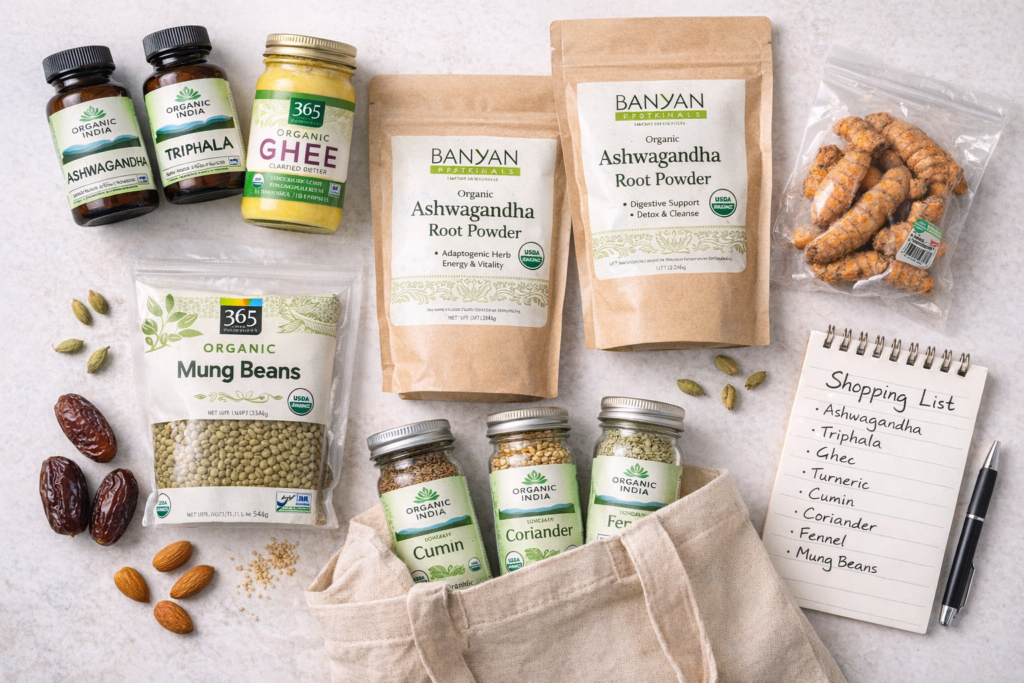
Where to Find Ayurvedic Superfoods:
- Whole Foods Market
- Trader Joe’s (turmeric, ghee, spices)
- Local Indian grocery stores
- Online: Banyan Botanicals, Organic India, Mountain Rose Herbs
- Amazon (convenient but check quality)
Quality Matters
Choose:
- Organic when possible (especially for herbs and spices)
- Fresh over old (spices lose potency after 6 months)
- Reputable brands with third-party testing
- Whole foods over isolated supplements when possible
Simple Daily Routine
Morning:
- Warm water with ginger or lemon
- Soaked almonds (5-10)
- Turmeric latte or golden milk
Throughout Day:
- Cook with ghee and Ayurvedic spices
- Herbal teas (cumin, coriander, fennel)
- Kitchari bowl for lunch
Evening:
- Fennel seeds after dinner
- Ashwagandha in warm milk before bed
- Triphala supplement
Common Mistakes to Avoid
❌ Taking Too Many Supplements at Once
Your body needs time to adjust. Introduce one new superfood every 7-10 days and observe how you feel.
❌ Ignoring Your Unique Constitution
What works for your friend might not work for you. Pay attention to how foods make YOU feel—energy levels, digestion, sleep, mood.
❌ Expecting Overnight Results
Ayurveda works on deep healing, not quick fixes. Give superfoods at least 3-4 weeks of consistent use before evaluating effectiveness.
❌ Skipping Food Preparation
How you prepare foods matters. Soaking nuts, roasting spices, and cooking with appropriate fats enhances digestibility and nutrient absorption.
Combining Ayurvedic Superfoods: Powerful Synergies
Golden Milk Formula

- 1 cup warm milk (dairy or plant-based)
- 1/2 tsp turmeric
- Pinch of black pepper (enhances curcumin absorption by 2000%)
- 1/2 tsp ghee
- 1/4 tsp ginger
- Raw honey to taste
Digestive Spice Blend (CCF Tea)
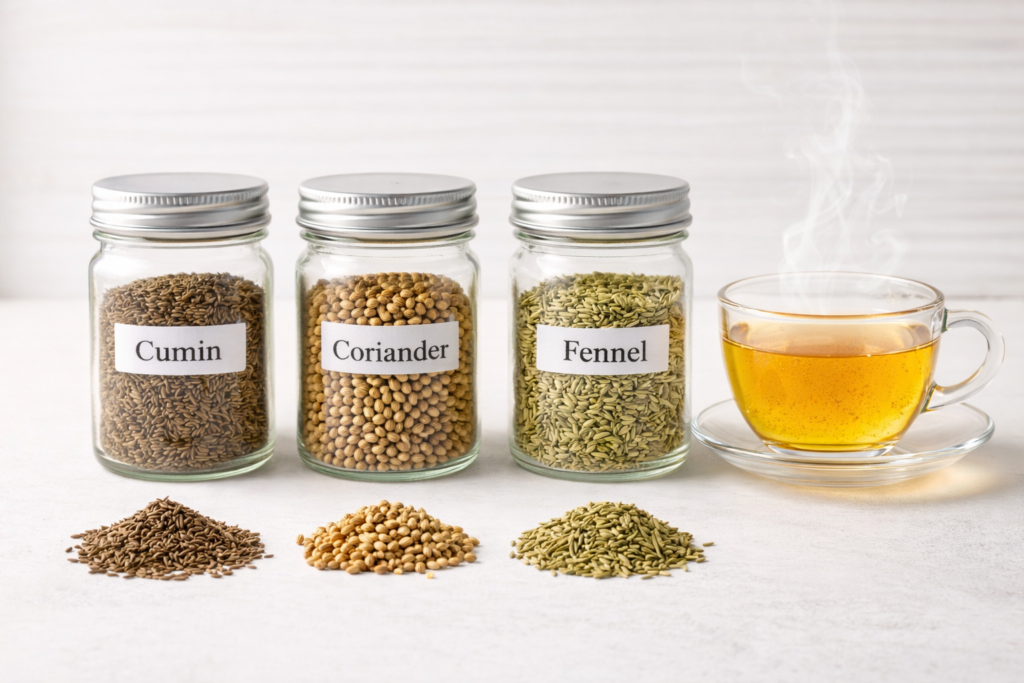
- Equal parts cumin, coriander, fennel seeds
- Boil 1 tsp blend in 2 cups water
- Strain and sip throughout the day
- Supports gentle detoxification and balanced digestion
Energy Balls

- Ground almonds + sesame seeds
- Dates + raw honey
- Ghee + cardamom
- Roll into balls, refrigerate
- Perfect pre-workout or afternoon snack
Scientific Support for Ayurvedic Superfoods
While Ayurveda is ancient, modern science increasingly validates its wisdom:
- NIH studies on turmeric’s anti-inflammatory properties
- Research on ashwagandha’s stress-reducing effects (Journal of Clinical Psychiatry)
- Harvard Medical School recommendations for spices like ginger and cinnamon
- Mayo Clinic information on adaptogenic herbs for stress management
External Linking Suggestions:
- National Center for Complementary and Integrative Health (NCCIH)
- PubMed studies on specific Ayurvedic herbs
- Harvard Health Publishing articles on anti-inflammatory foods
- Reputable Ayurvedic educational sites (Ayurvedic Institute, California College of Ayurveda)
FAQs: Your Questions Answered
Absolutely. While Ayurveda traditionally emphasizes plant-based eating, these superfoods complement any dietary pattern. Focus on adding beneficial foods rather than restricting.
Some are, some aren’t. Always consult your healthcare provider before adding new herbs or supplements during pregnancy. Generally safe: ginger (in moderation), almonds, mung beans. Avoid: ashwagandha, triphala without professional guidance.
Most people notice improved digestion within 1-2 weeks. Energy, sleep, and overall vitality typically improve within 4-6 weeks of consistent use.
Some Ayurvedic herbs can interact with medications. Always inform your doctor about any supplements you’re taking, especially blood thinners, diabetes medications, or immunosuppressants.
Your 7-Day Ayurvedic Superfoods Starter Plan
Day 1-2: Add turmeric to one meal daily Day 3-4: Start morning with soaked almonds Day 5-6: Replace cooking oil with ghee Day 7: Make CCF tea and sip throughout the day
Track how you feel each day—energy levels, digestion, sleep quality, and mood.
Conclusion: Your Path to Vibrant Health
Ayurvedic superfoods aren’t just trendy ingredients—they’re time-tested tools for creating lasting health and vitality. By incorporating even a handful of these powerful foods into your daily routine, you’re tapping into 5,000 years of wellness wisdom.
Start with the superfoods that resonate most with your current health goals. Listen to your body. Be consistent. And remember that Ayurveda is about progress, not perfection.
Your Next Step: Choose 3 superfoods from this list, purchase them this week, and commit to using them daily for the next 30 days. Track your energy, digestion, and overall well-being in a simple journal.
The ancient wisdom of Ayurveda combined with modern science offers you a powerful roadmap to optimal health—one superfood at a time.
Ready to transform your health with Ayurvedic nutrition? Start today and experience the difference that eating in harmony with your body can make.
Note: This article is for educational purposes only. Please consult a qualified Ayurvedic practitioner or healthcare provider for personalized advice.


